AI, DIGITALIZATION & DATA-DRIVEN HSSE
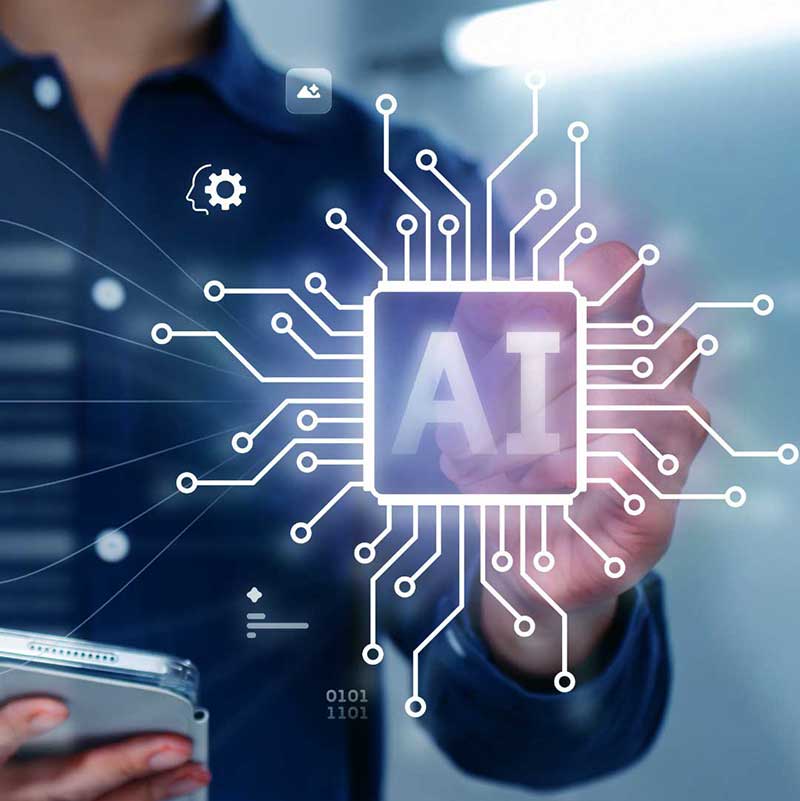
  • Artificial Intelligence and machine learning applications in HSSE.
  • Predictive analytics for safety performance and incident prevention.
  • Computer vision systems for PPE compliance and hazard detection.
  • Smart wearables and IoT sensors for heat stress, fatigue, and exposure monitoring.
  • Digital twins for hazard simulations and emergency preparedness.
  • AI-enabled inspection using drones, robotics, and autonomous monitoring.
  • Real-time safety dashboards and predictive safety indicators.
  • Data governance, ethics, and trust in AI-based safety decisions.
  • Big data analytics for leading safety indicators.
  • Digital transformation of HSSE management systems.

PROCESS SAFETY MANAGEMENT (PSM) & MAJOR ACCIDENT HAZARD MANAGEMENT

  • Hazard identification and risk assessment methodologies.
  • Process hazard analysis: HAZOP, LOPA, Bow-Tie, ALARP.
  • Safety Integrity Level (SIL) and Safety Instrumented Systems (SIS).
  • Abnormal situation management and non-routine operations.
  • Management of Change (MOC) and operational discipline.
  • Barrier management and process safety performance indicators.
  • Digitalization of PSM systems and dynamic risk modeling.
  • Incident investigation and learning from major accidents.
  • Prevention of Serious Injuries and Fatalities (SIF)

LOSS PREVENTION, FIRE PROTECTION & EXPLOSION ENGINEERING

  • Fire prevention engineering and fire protection system design.
  • Explosion risk analysis and blast consequence modeling.
  • Hazardous material reactivity and chemical process hazards.
  • Industrial firefighting strategies and emergency response teams.
  • Fire detection, suppression and foam technologies.
  • Facility siting and layout safety considerations.
  • Explosion prevention.
  • Hydrogen and LNG fire hazards.
  • Case studies and lessons learned from industrial incidents.
  • Barrier verification and safeguard reliability.

EMERGENCY PREPAREDNESS, CRISIS MANAGEMENT & BUSINESS CONTINUITY

  • Emergency response planning and crisis management systems.
  • Incident Command System (ICS) implementation in industry.
  • Industrial disaster preparedness and response strategies.
  • Business continuity and operational resilience planning.
  • Crisis communication and stakeholder coordination.
  • Oil spill response and environmental emergency management.
  • Emergency simulation and digital scenario planning tools.
  • Multi-agency emergency response coordination.
  • Evacuation planning and emergency logistics.
  • Recovery and post-incident resilience strategies.

OCCUPATIONAL HEALTH, INDUSTRIAL HYGIENE & WORKFORCE WELLBEING

  • Occupational exposure assessment and control strategies.
  • Industrial hygiene monitoring for chemicals, dust, and aerosols.
  • Heat stress management and worker health in extreme climates.
  • Noise, vibration, radiation and ergonomic hazards.
  • Occupational disease prevention and health surveillance.
  • Medical monitoring programs and biological exposure indices.
  • Mental health, psychosocial risk and fatigue management.
  • Ergonomics and musculoskeletal disorder prevention.
  • Advanced PPE technologies and worker protection systems.
  • Wearable technologies for health monitoring.

CONSTRUCTION SAFETY, CONTRACTOR MANAGEMENT & HIGH-RISK OPERATIONS

  • Contractor HSSE management systems and governance.
  • Permit-to-work systems and energy isolation procedures.
  • Working at height, scaffolding and fall protection.
  • Confined space entry and rescue planning.
  • Lifting operations, crane safety and dropped object prevention.
  • Simultaneous operations (SIMOPS) risk management.
  • Safety challenges in large infrastructure and mega projects.
  • Digital safety monitoring and computer vision technologies.
  • Workforce competency development and safety training.
  • Integration of safety during construction-to-operations transition.

INDUSTRIAL SECURITY, OPERATIONAL TECHNOLOGY (OT)/ INDUSTRIAL CONTROL SYSTEMS (ICS) CYBER SECURITY & CRITICAL INFRASTRUCTURE PROTECTION

  • Cyber security for industrial control systems and SCADA networks.
  • Safety-cyber convergence in process industries.
  • Risk management for Operational Technology (OT) environments.
  • Implementation of ISA/IEC 62443 cyber security standards.
  • Cyber threat detection and incident response strategies.
  • Protection of Safety Instrumented Systems (SIS) from cyber threats.
  • Industrial facility physical security and access control systems.
  • Supply chain cyber risk management.
  • Security risk assessment and vulnerability analysis.
  • Cyber resilience for critical infrastructure and energy systems.

ENVIRONMENTAL PROTECTION, SUSTAINABILITY & ESG MANAGEMENT

  • The basics of renewable energy and its utilization for industrial purpose.
  • Environmental monitoring and pollution control technologies.
  • Environmental impact assessment and risk mitigation strategies.
  • Sustainable industrial operations and cleaner production methods.
  • Waste minimization, recycling and circular economy practices.
  • Water stewardship and wastewater treatment innovations.
  • Air quality management and emission reduction strategies.
  • Biodiversity conservation in industrial operations.
  • Environmental governance and regulatory compliance.
  • Sustainability performance metrics and ESG reporting frameworks.
  • Environmental risk communication and stakeholder engagement.

ENERGY TRANSITION, CARBON MANAGEMENT & NEW ENERGY SAFETY

  • Carbon capture, utilization and storage (CCUS) technologies.
  • Greenhouse gas inventories and emission monitoring systems.
  • Carbon markets, carbon trading and climate policy frameworks.
  • Hydrogen production, storage and transport safety.
  • Ammonia as an emerging energy carrier and safety considerations.
  • Battery energy storage systems and fire risk management.
  • Offshore wind and renewable energy project safety.
  • Solar power plant electrical safety and operational risks.
  • Decommissioning and repurposing of fossil fuel infrastructure.
  • Safety challenges during energy transition and net zero strategies.

RISK MANAGEMENT, HUMAN FACTORS, SAFETY CULTURE, DRIVING SAFETY & REGULATORY COMPLIANCE

  • Enterprise risk management frameworks for HSSE integration.
  • Dynamic risk assessment and digital risk visualization tools.
  • Journey management systems and road safety programs.
  • Fleet safety management and driver monitoring technologies.
  • Marine safety in offshore oil and gas operations.
  • Safety leadership and organizational safety culture development.
  • Human factors engineering in safety-critical operations.
  • Behavioral Based Safety (BBS) and human performance improvement.
  • Workforce competence, training and knowledge management.
  • Operational discipline and decision-making under uncertainty.
  • Implementation of ISO 45001, ISO 14001 and ISO 31000 standards.
  • Audit systems, compliance monitoring and regulatory best practices.